THE 911 INCIDENT AND CO-RELATED THEORIES....
2008 MUMBAI ATTACKS LEAVES A STIR... The 2008 Mumbai attacks (often referred to as November 26th or 26/11) were more than 10 coordinated shooting and bombing attacks across Mumbai, India's largest city, by Islamic terrorists[5][6] from Pakistan.[7] The attacks, which drew widespread global condemnation, began on 26 November 2008 and lasted until 29 November, killing at least 175 people and wounding at least 308.[2][8] Eight of the attacks occurred in South Mumbai: at Chhatrapati Shivaji Terminus, the Oberoi Trident,[9] the Taj Mahal Palace & Tower,[9] Leopold Cafe, Cama Hospital (a women and children's hospital),[9] Nariman House,[10] the Metro Cinema,[11] and a lane behind the Times of India building and St. Xavier's College.[9] There was also an explosion at Mazagaon, in Mumbai's port area, and in a taxi at Vile Parle.[12] By the early morning of 28 November, all sites except for the Taj hotel had been secured by Mumbai Police and security forces. Anaction by India's National Security Guards (NSG) on 29 November (the action is officially named Operation Black Tornado) resulted in the death of the last remaining attackers at the Taj hotel, ending all fighting in the attacks.[13] Ajmal Kasab,[14] the only attacker who was captured alive, disclosed that the attackers were members of Lashkar-e-Taiba, the Pakistan-based militant organisation, considered a terrorist organisation by India, Pakistan, the United States, the United Kingdom, and the United Nations,[15] among others.[16] The Indian government said that the attackers came from Pakistan, and their controllers were in Pakistan.[17] On 7 January 2009, after more than a month of denying the nationality of the attackers,[18]Pakistan's Information Minister Sherry Rehman officially accepted Ajmal Kasab's nationality as Pakistani.[19] On 12 February 2009, Pakistan's Interior Minister Rehman Malik, in a televised news briefing, confirmed that parts of the attack had been planned in Pakistan and said that six people, including the alleged mastermind, were being held in connection with the attacks.[20] A trial court on 6 May 2010 sentenced Ajmal Kasab to death on five counts.
[edit]BackgroundMain article: Terrorism in Mumbai There have been many bombings in Mumbai since the 13 coordinated bomb explosions killed 257 people and injured 700 on 12 March 1993.[21] The 1993 attacks are believed to be in retaliation for theBabri Mosque demolition.[22] On 6 December 2002, a blast in a BEST bus near Ghatkopar station killed two people and injured 28.[23] The bombing occurred on the tenth anniversary of the demolition of the Babri Mosque inAyodhya.[24] A bicycle bomb exploded near the Vile Parle station in Mumbai, killing one person and injuring 25 on 27 January 2003, a day before the visit of the Prime Minister of India Atal Bihari Vajpayee to the city.[25] On 13 March 2003, a day after the tenth anniversary of the 1993 Bombay bombings, a bomb exploded in a train compartment near the Mulund station, killing 10 people and injuring 70.[26] On 28 July 2003, a blast in a BEST bus in Ghatkopar killed 4 people and injured 32.[27]On 25 August 2003, two bombs exploded in South Mumbai, one near the Gateway of India and the other at Zaveri Bazaar in Kalbadevi. At least 44 people were killed and 150 injured.[28] On 11 July 2006, seven bombs exploded within 11 minutes on the Suburban Railway in Mumbai.[29] 209 people were killed, including 22 foreigners[30] and over 700 injured.[31] According to the Mumbai Police, the bombings were carried out by Lashkar-e-Taiba and Students Islamic Movement of India (SIMI).[32][33] [edit]AttacksMain article: Timeline of the 2008 Mumbai attacks The first events were detailed around 20:00 Indian Standard Time (IST) on 26 November, when 10 men in inflatable speedboats came ashore at two locations in Colaba. They reportedly told local Marathi-speaking fishermen who asked them who they were to "mind their own business" before they split up and headed two different ways. The fishermen's subsequent report to police received little response.[34] [edit]Chhatrapati Shivaji TerminusThe Chhatrapati Shivaji Terminus (CST) was attacked by two gunmen, one of whom, Ajmal Kasab, was later caught alive by the police and identified by eyewitnesses. The attacks began around 21:30 when the two men entered the passenger hall and opened fire,[35] using AK-47 rifles.[36] The attackers killed 58 people and injured 104 others,[36] their assault ending at about 22:45.[35]Security forces and emergency services arrived shortly afterwards. The two gunmen fled the scene and fired at pedestrians and police officers in the streets, killing eight police officers. The terrorists passed a police station. Many of the outgunned police officers were afraid to confront the terrorists, and instead switched off the lights and secured the gates. The terrorists headed towards Cama Hospital intending to kill patients, but the hospital staff locked all of the patient wards. The two men demanded a glass of water from the hospital staff. They asked the man who gave it to them what his religion was, and shot him dead when he said he was a Hindu. A team of theMumbai Anti-Terrorist Squad led by police chief Hemant Karkare searched the Chhatrapati Shivaji Terminus and then headed out with Vijay Salaskar and ACP Ashok Kamte in pursuit of Kasab and Khan. Kasab and Khan opened fire on the vehicle in a lane next to the hospital, and the police returned fire. Karkare, Salaskar, Kamte and one of their officers were killed, and the only survivor, Constable Arun Jadhav, was wounded.[37] Kasab and Khan seized the police vehicle but later abandoned it and seized a passenger car. They then ran into a police roadblock, which had been set up after Jadhav radioed for help.[38] There was a gun battle in which Khan was killed and Kasab was wounded. After a physical struggle, Kasab was arrested.[39] [edit]Leopold CafeThe Leopold Cafe, a popular restaurant and bar on Colaba Causeway in South Mumbai, was one of the first sites to be attacked.[40] Two attackers opened fire on the cafe on the evening of 26 November, killing at least 10 people (including some foreigners), and injuring many more.[41] The terrorists fired into the street as they fled the scene. [edit]Bomb blasts in taxisThere were two explosions in taxis caused by timer bombs. The first one occurred at 22:40 at Vile Parle, killing the driver and a passenger. The second explosion took place at Wadi Bunder between 22:20 and 22:25. Three people including the driver of the taxi were killed, and about 15 other people were injured.[12][42] [edit]Taj Mahal Hotel and Oberoi TridentMain articles: Taj Mahal Palace & Tower and Oberoi Trident Two hotels, the Taj Mahal Palace & Tower and the Oberoi Trident, were amongst the four locations targeted. Six explosions were reported at the Taj hotel and one at the Oberoi Trident.[43][44] At the Taj Mahal, firefighters rescued 200 hostages from windows using ladders during the first night. CNN initially reported on the morning of 27 November 2008 that the hostage situation at the Taj had been resolved and quoted the police chief of Maharashtra stating that all hostages were freed;[45] however, it was learned later that day that there were still two attackers holding hostages, including foreigners, in the Taj Mahal hotel.[46] During the attacks, both hotels were surrounded by Rapid Action Force personnel and Marine Commandos (MARCOS) and National Security Guards (NSG) commandos.[47][48] When reports emerged that attackers were receiving television broadcasts, feeds to the hotels were blocked.[49]Security forces stormed both hotels, and all nine attackers were killed by the morning of 29 November.[50][51] Major Sandeep Unnikrishnan of the NSG was killed during the rescue of Commando Sunil Yadav, who was hit in the leg by a bullet during the rescue operations at Taj.[52][53] 32 hostages were also killed at the Oberoi Trident.[citation needed] A number of European Parliament Committee on International Trade delegates were staying in the Taj Mahal hotel when it was attacked,[54] but none of them were injured.[55] British ConservativeMember of the European Parliament (MEP) Sajjad Karim (who was in the lobby when attackers initially opened fire there) and German Social Democrat MEP Erika Mann were hiding in different parts of the building.[56] Also reported present was Spanish MEP Ignasi Guardans, who was barricaded in a hotel room.[57] Another British Conservative MEP, Syed Kamall, reported that he along with several other MEPs left the hotel and went to a nearby restaurant shortly before the attack.[56] Kamall also reported that Polish MEP Jan Masiel was thought to have been sleeping in his hotel room when the attacks started, but eventually left the hotel safely.[58] Kamall and Guardans reported that a Hungarian MEP's assistant was shot.[56][59] Also caught up in the shooting were the President of Madrid, Esperanza Aguirre, while checking in at the Oberoi Trident,[59] and Indian MP N. N. Krishnadas of Kerala and Sir Gulam Noon while having dinner at a restaurant in the Taj hotel.[60][61] [edit]Nariman HouseMain article: Nariman House Nariman House, a Chabad Lubavitch Jewish center in Colaba known as the Mumbai Chabad House, was taken over by two attackers and several residents were held hostage.[62] Police evacuated adjacent buildings and exchanged fire with terrorists, wounding one. Local residents were told to stay inside. Terrorists threw a grenade into a nearby lane, causing no casualties. NSG commandos arrived from Delhi, and a Naval helicopter took an aerial survey. During the first day, 9 hostages were rescued from the first floor. The following day, the house was stormed by NSG commandos fast-roping from helicopters onto the roof, covered by snipers positioned in nearby buildings. After a long battle, one NSG commando and both terrorists were killed.[63] RabbiGavriel Holtzberg and his wife Rivka Holtzberg, who was six months pregnant, were murdered with four other hostages inside the house by the attackers.[64] According to radio transmissions picked up by Indian intelligence, the attackers "would be told by their handlers in Pakistan that the lives of Jews were worth 50 times those of non-Jews." Injuries reported on some of the bodies indicate they may have been tortured.[65] [edit]End of the attacksBy the morning of 27 November, the army had secured the Jewish outreach center at Nariman House as well as the Oberoi Trident hotel. They also incorrectly believed that the Taj Mahal Palace and Towers had been cleared of attackers, and soldiers were leading hostages and holed-up guests to safety, and removing bodies of those killed in the attacks.[66][67][68] However, later news reports indicated that there were still two or three attackers in the Taj, with explosions heard and gunfire exchanged.[68] Fires were also reported at the ground floor of the Taj with plumes of smoke arising from the first floor.[68] The final operation at the Taj Mahal Palace hotel was completed by the NSG commandos at 08:00 on 29 November, killing three attackers and resulting in the conclusion of the attacks.[69]The security forces rescued 250 people from the Oberoi, 300 from the Taj and 60 people (members of 12 different families) from Nariman House.[70] In addition, police seized a boat filled with arms and explosives anchored at Mazgaon dock off Mumbai harbour.[71] [edit]AttributionMain article: Attribution of the 2008 Mumbai attacks The Mumbai attacks were planned and directed by Lashkar-e-Taiba militants inside Pakistan, and carried out by ten young armed men trained and sent to Mumbai and directed from inside Pakistan via mobile phones and VoIP.[16][72][73] In July 2009 Pakistani authorities confirmed that LeT plotted and financed the attacks from LeT camps in Karachi and Thatta.[74] In November 2009, Pakistani authorities charged seven men they had arrested earlier, of planning and executing the assault.[75] Mumbai police originally identified 37 suspects –-including two army officers-– for their alleged involvement in the plot. All but two of the suspects, many of whom are identified only through aliases, are Pakistani.[76] Two more suspects arrested in the United States in October 2009 for other attacks were also found to have been involved in planning the Mumbai attacks.[77][78] One of these men, Pakistani American David Headley, was found to have made several trips to India before the attacks and gathered video and GPS information on behalf of the plotters. [edit]Cooperation with PakistanPakistan initially denied that Pakistanis were responsible for the attacks, blaming plotters in Bangladesh and Indian criminals,[79] a claim refuted by India,[80] and saying they needed information from India on other bombings first.[81] Pakistani authorities finally agreed the attackers were Pakistani on 7 January 2009,[18][82][83] and registered a case against three Pakistani nationals.[84] The Indian government supplied evidence to Pakistan and other governments, in the form of interrogations, weapons, and call records of conversations during the attacks.[3][85] In addition, Indian government officials said that the attacks were so sophisticated that they must have had official backing from Pakistani "agencies", an accusation denied by Pakistan.[73][82] David Headley was a member of Lashkar-e-Taiba, and between 2002 and 2009 Headley traveled extensively as part of his work for LeT. Headley received training in small arms and countersurveillance from LeT, built a network of connections for the group, and was chief scout in scoping out targets for Mumbai attack.[86][87] Lashkar-e-Taiba was created and sponsored by Pakistan’s intelligence agency, the Inter-Services Intelligence (ISI). An ISI officer known as Major Iqbal gave Headley $25,000 in cash in 2006 to scout out the target sites in Mumbai, helped him arrange a communications system for the attack, and oversaw a model of the Taj Mahal Hotel so that gunmen could know their way inside the target, according to Headley's testimony to Indian authorities. Headley also helped ISI recruit Indian agents to monitor Indian troop levels and movements, according to a U.S. official. At the same time, Headley was also an informant for the U.S. Drug Enforcement Agency, and Headley's wives warned American officials of Headley's involvement with LeT and his plotting of terrorist operations, warning specifically that the Taj Mahal Hotel may be their target.[86] Under U.S. and UN pressure, Pakistan arrested a few members of Jamaat ud-Dawa and briefly put its founder under house arrest, but he was found to be free a few days later.[88] A year after the attacks, Mumbai police continued to complain that Pakistani authorities are not cooperating by providing information for their investigation.[89] Meanwhile, journalists in Pakistan said security agencies were preventing them from interviewing people from Kasab's village.[90][91] Home Minister P. Chidambaram said the Pakistani authorities had not shared any information about American suspects Headley and Rana, but that the FBI had been more forthcoming.[92] An Indian report, summarising intelligence gained from India's interrogation of David Headley,[93] was released in October 2010. It alleged that Pakistan's intelligence agency (ISI) had provided support for the attacks by providing funding for reconnaissance missions in Mumbai.[94] The report included Headley's claim that Lashkar-e-Taiba's chief military commander, Zaki-ur-Rahman Lakhvi, had close ties to the ISI Director General.[who?][93] He alleged that "every big action of LeT is done in close coordination with [the] ISI."[94] [edit]InvestigationAccording to investigations, the attackers traveled by sea from Karachi, Pakistan, across theArabian Sea, hijacked the Indian fishing trawler 'Kuber', killing the crew of four, and then forced the captain to sail to Mumbai. After killing the captain, the terrorists entered Mumbai on a rubber dinghy. The captain of 'Kuber', Amar Singh Solanki, had earlier been imprisoned for six months in a Pakistani jail for illegally fishing in Pakistani waters.[95] The attackers stayed and were trained by the Lashkar-e-Taiba in a safehouse at Azizabad near Karachi before boarding a small boat for Mumbai.[96] [edit]MethodThe attackers had planned the attack several months ahead of time and knew some areas well enough for the attackers to vanish, and reappear after security forces had left. Several sources have quoted Kasab telling the police that the group received help from Mumbai residents.[97][98] The attackers used at least three SIM cardspurchased on the Indian side of the border with Bangladesh, pointing to some local collusion.[99] There were also reports of one SIM card purchased in New Jersey, USA.[100] Police had also mentioned that Faheem Ansari, an Indian Lashkar operative who had been arrested in February 2008, had scouted the Mumbai targets for the November attacks.[101] Later, the police arrested two Indian suspects, Mikhtar Ahmad, who is from Srinagar in Kashmir, and Tausif Rehman, a resident of Kolkata. They supplied the SIM cards, one in Calcutta, and the other in New Delhi.[102] Type 86 Grenades made by China's state-owned Norinco were used in the attacks.[103] Blood tests on the attackers indicate that they had taken cocaine and LSD during the attacks, to sustain their energy and stay awake for 50 hours. Police say that they found syringes on the scenes of the attacks. There were also indications that they had been taking steroids.[104]The gunman who survived said that the attackers had used Google Earth to familiarise themselves with the locations of buildings used in the attacks.[105] There were ten gunmen, nine of whom were subsequently shot dead and one captured by security forces.[106][107] Witnesses reported that they looked to be in their early twenties, wore black t-shirts and jeans, and that they smiled and looked happy as they shot their victims.[108] It was initially reported that some of the attackers were British citizens,[109][110] but the Indian government later stated that there was no evidence to confirm this.[111] Similarly, early reports of twelve gunmen[112] were also later shown to be incorrect.[3] On 9 December, the ten attackers were identified by Mumbai police, along with their home towns in Pakistan: Ajmal Amir from Faridkot, Abu Ismail Dera Ismail Khan from Dera Ismail Khan, Hafiz Arshad and Babr Imran from Multan, Javed from Okara, Shoaib from Narowal, Nazih and Nasr from Faisalabad, Abdul Rahman from Arifwalla, and Fahad Ullah from Dipalpur Taluka. Dera Ismail Khan is in the North-West Frontier Province; the rest of the towns are in Pakistani Punjab.[113] On 6 April 2010, the Home minister of Maharashtra State, which includes Mumbai, informed the assembly that the bodies of the nine killed Pakistani gunmen from the 2008 attack on Mumbai were buried in a secret location in January 2010. The bodies had been in the mortuary of a Mumbai hospital after Muslim clerics in the city refused to let them be buried on their grounds.[114] [edit]ArrestsMain article: Ajmal Kasab Ajmal Kasab was the only attacker captured alive by police and is currently under arrest.[115] Much of the information about the attackers' preparation, travel, and movements comes from his confessions to the Mumbai police.[116] On 12 February 2009 Pakistan's Interior Minister Rehman Malik said that Pakistani national Javed Iqbal, who acquired VoIP phones in Spain for the Mumbai attackers, and Hamad Ameen Sadiq, who had facilitated money transfer for the attack, had been arrested.[84] Two other men known as Khan and Riaz, but whose full names were not given, were also arrested.[117] Two Pakistanis were arrested in Brescia, Italy, on 21 November 2009, after being accused of providing logistical support to the attacks.[118] In October 2009, two Chicago men were arrested and charged by the FBI for involvement in terrorism abroad, David Coleman Headley andTahawwur Hussain Rana. Headley, a Pakistani-American, was charged in November 2009 with scouting locations for the 2008 Mumbai attacks.[119][120] Headley is reported to have posed as an American Jew and is believed to have links with terrorist outfits based in Bangladesh.[121] On 18 March 2010, Headley pled guilty to a dozen charges against him thereby avoiding going to trial. In December 2009, the FBI charged Abdur Rehman Hashim Syed, a retired major in the Pakistani army, for planning the terror attacks in association with Headley.[122] On 15 January 2010, in a successful snatch operation R&AW agents nabbed Sheikh Abdul Khwaja, one of the handlers of the 26/11 attacks, chief of HuJI India operations and a most wanted terror suspect in India, from Colombo, Sri Lanka, and brought him over to Hyderabad, Indiafor formal arrest.[123] On 6 May 2010, Ajmal Kasab was sentenced to be hanged to death on charges of murder and waging war on India.[124] [edit]Casualties and compensationMain article: Casualties of the 2008 Mumbai attacks At least 166 victims (civilians and security personnel) and nine attackers were killed in the attacks. Among the dead were 28 foreign nationals from 10 countries.[2][45][125][126][127] One attacker was captured.[128] The bodies of many of the dead hostages showed signs of torture or disfigurement.[129] A number of those killed were notable figures in business, media, and security services.[130][131][132] The government of Maharashtra announced about [edit]AftermathMain article: Aftermath of the 2008 Mumbai attacks The attacks are commonly referred to in India as "26/11", after the date in 2008 that they began. A commission of inquiry appointed by the Maharashtra state government produced a report that was tabled before the assembly over one year after the events. The report said the "war-like" attack was beyond the capacity of any police force, but it also found fault with the city Police Commissioner's lack of leadership during the crisis.[135] The Maharashtra state government has planned to buy 36 speed boats to patrol the coastal areas and several helicopters for the same purpose. It will also create an anti-terror force called "Force One" and upgrade all the weapons that Mumbai police currently have.[136] Prime Minister Dr. Manmohan Singh on an all-party conference declared that legal framework will be strengthened in the battle against terrorism and a federal anti-terrorist intelligence and investigation agency, like the FBI, will be set up soon to coordinate actions against terrorism.[137] The government strengthened anti-terror laws with UAPA 2008, and the federal National Investigating Agency was formed. The attacks have damaged India's already-strained relationship with Pakistan. External Affairs Minister Pranab Mukherjee declared that India may indulge in military strikes against terror camps in Pakistan to protect its territorial integrity. There were also after-effects on the United States's relationships with both countries,[138] the US-led NATO war in Afghanistan,[139] and on the Global War on Terror.[140] According toInterpol secretary general Ronald Noble, Indian intelligence agencies did not share any information with them.[141] However, FBI chief Robert Mueller praised the "unprecedented cooperation" between American and Indian intelligence agencies over Mumbai terror attack probe.[142] [edit]Movement of troopsPakistan moved troops towards the India-Pakistan border voicing concerns about the Indian government's possible plans to launch attacks on Pakistani soil if it did not cooperate. Days of talks, the Pakistan government, however, decided to start moving troops away from the border.[143] [edit]ReactionsMain article: Reactions to the 2008 Mumbai attacks Indians criticised their political leaders after the attacks, saying that their ineptness was partly responsible. The Times of India commented on its front page that "Our politicians fiddle as innocents die."[144] Political reactions in Mumbai and India included a range of resignations and political changes, including the resignations of Minister for Home Affairs, Shivraj Patil,[145] Chief Minister of Maharashtra, Vilasrao Deshmukh,[146] and Deputy Chief Minister of Maharastra R. R. Patil.[147] Prominent Muslim personalities such as Bollywood actor Aamir Khan appealed to the community members in the country to observe Eid al-Adha as a day of mourning on 9 December 2008.[148] The business establishment also reacted, with changes to transport, and requests for an increase in self-defense capabilities.[149] The attacks also triggered a chain of citizens' movements across India such as the India Today Group's "War Against Terror" campaign. There were vigils held across all of India with candles and placards commemorating the victims of the attacks.[150] The NSG commandos based in Delhi also met criticism for taking 10 hours to reach the terrorists.[151][152] International reaction for the attacks was widespread, with many countries and international organizations condemning the attacks and expressing their condolences to the civilian victims. Many important personalities around the world also condemned the attacks.[153] Outgoing US President George W. Bush said "We pledge the full support of the United States as India investigates these attacks, brings the guilty to justice and sustains its democratic way of life."[154]Likewise, a spokesman for then President-elect Barack Obama said that Mr. Obama “strongly condemns today’s terrorist attacks in Mumbai, and his thoughts and prayers are with the victims, their families, and the people of India.“[155] Media coverage highlighted the use of new media and Internet social networking tools, including Twitter and Flickr, in spreading information about the attacks. In addition, many Indian bloggers and Wikipedia offered live textual coverage of the attacks.[156] A map of the attacks was set up by a web journalist using Google Maps.[157][158] The New York Times, in July 2009, described the event as "what may be the most well-documented terrorist attack anywhere."[159] [edit]Kasab's trialKasab's trial was delayed due to legal issues, as many Indian lawyers were unwilling to represent him. A Mumbai Bar Association passed a resolution proclaiming that none of its members would represent Kasab. However, the Chief Justice of India stated that Kasab needed a lawyer for a fair trial. A lawyer for Kasab was eventually found, but was replaced due to a conflict of interest. On 25 February 2009, Indian investigators filed an 11,000-page chargesheet, formally charging Kasab with murder, conspiracy, and waging war against India among other charges. Kasab's trial began on 6 May 2009. He initially pleaded not guilty, but later admitted his guilt on 20 July 2009. He initially apologized for the attacks and claimed that he deserved the death penalty for his crimes, but later retracted these claims, saying that he had been tortured by police to force his confession, and that he had been arrested while roaming the beach. The court had accepted his plea, but due to the lack of completeness within his admittance, the judge had deemed that many of the 86 charges were not addressed and therefore the trial continued. Kasab was convicted of all 86 charges on 3 May 2010. He was found guilty of murder for directly killing seven people, conspiracy to commit murder for the deaths of the 166 people killed in the three-day terror siege, waging war against India, causing terror, and of conspiracy to murder two high-ranking police officers. On 6 May 2010, he was sentenced to death by hanging.[160] [161] [162] As of the end of September 2010 Kasab is still alive. He appealed his sentence on Wednesday, 22 September and will subsequently have several meetings with his attorney in prison. If the courts choose to not accept his appeal his last option is to appeal the case directly to the Indian government—an action which could see Kasab (alive) on death row for years—or even decades—to come. [edit]Trials in PakistanIndian and Pakistani police have exchanged DNA evidence, photographs and items found with the attackers to piece together a detailed portrait of the Mumbai plot. Police in Pakistan have arrested seven people, including Hammad Amin Sadiq, a homeopathic pharmacist, who arranged bank accounts and secured supplies. Sadiq and six others begin their formal trial on 3 October 2009 in Pakistan, though Indian authorities say the prosecution stops well short of top Lashkar leaders.[163] In November 2009, Indian Prime Minister Manmohan Singh said that Pakistan has not done enough to bring the perpetrators of the attacks to justice.[164] On the eve of the first anniversary of 26/11, a Pakistani anti-terror court formally charged seven accused, including LeT operations commander Zaki ur Rehman Lakhvi. [edit]LocationsAll the incidents except the explosion at Vile Parle took place in downtown South Mumbai.
[edit]MemorialsOn the first anniversary of the event, the nation paid its respects to the victims of the attack. Force One—a new security force created by the Maharashtra government—staged a parade from Nariman Point to Chowpatty on 26 November 2009. Memorials and candlelight vigils were organized at the various locations where the attacks occurred.[165] On the second anniversary of the event on 26 November 2010, homage was paid to the victims and martyrs of the terrorist incident.[[1]] India issued a diplomatic note to Pakistan urging them to arrest and prosecute the key accused members of the terrorist incident who are still at large in Pakistan.[[2]] The US also reiterated this message through Ambassador Roemer and before him via President Obama during his address to the Indian parliament while in India. [[3]] The issue at hand now is what happens if there is a repeat of such a event. It has come to light that India contemplated a military response in the immediate aftermath of the 26/11 attack and decided against it at that time 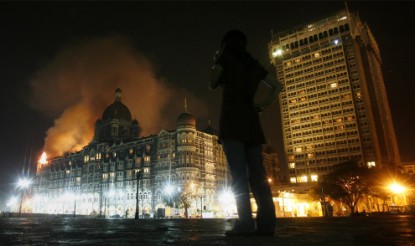 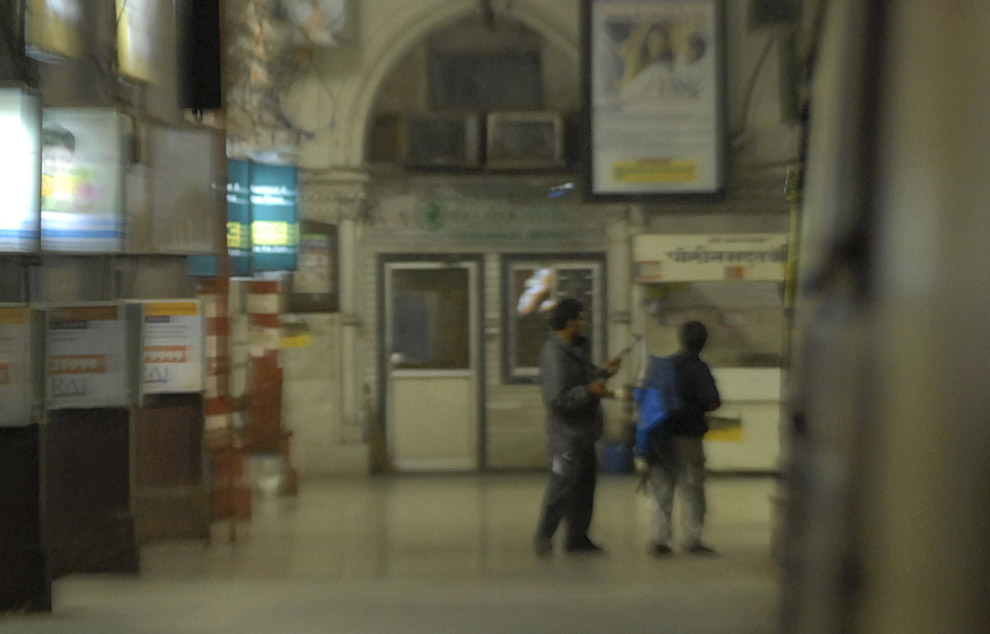
 Terrifying legends from the Amazon tell of Indian headshrinkers who would shrink an enemy’s head to render the vengeful soul powerless. Now, NGC has exclusive U.S. access to 45-year-old archive footage captured by explorer Edmundo Bielawski, purportedly the only known footage that shows the process of an actual - recently deceased - human head being shrunk. Author and explorer Piers Gibbon heads deep into the Amazon jungle in an attempt to trace Bielawski's 1960s journey, rediscover the exact location where this scene was filmed and reconnect with the tribe today, in Search for the Amazon Headshrinkers THE 1938 AND 1950 BLACK DEATH The Black Death was one of the deadliest pandemics in human history, peaking in Europe between 1348 and 1350. It is widely thought to have been an outbreak of bubonic plague caused by the bacterium Yersinia pestis, an argument supported by recent forensic research, although this view has been challenged by a number of scholars. Thought to have started in China, it travelled along the Silk Road and had reached the Crimea by 1346. From there, probably carried by Oriental rat fleas residing on the black rats that were regular passengers on merchant ships, it spread throughout theMediterranean and Europe. The Black Death is estimated to have killed 30% – 60% of Europe's population,[1] reducing the world's population from an estimated 450 million to between 350 and 375 million in 1400. This has been seen as having created a series of religious, social and economic upheavals which had profound effects on the course of European history. It took 150 years for Europe's population to recover. The plague returned at various times, killing more people, until it left Europe in the 19th century.
OverviewThe Plague of Justinian in the 6th and 7th centuries is the first known attack on record, and marks the first firmly recorded pattern of bubonic plague.[2] From historical descriptions, as much as 40% of the population of Constantinople died from the plague. Modern estimates suggest half of Europe's population was wiped out before the plague disappeared in the 700s.[3] After 750, major epidemic diseases did not appear again in Europe until the Black Death of the 14th century.[4] The Black Death originated in China and spread by way of the Silk Road.[2] It may have reduced the world's population from an estimated 450 million to between 350 and 375 million in 1400.[5] The plague is thought to have returned at intervals with varying virulence and mortality until the 18th century.[6] On its return in 1603, for example, the plague killed 38,000 Londoners.[7] Other notable 17th-century outbreaks were the Italian Plague of 1629–1631, and the Great Plague of Seville (1647–1652), the Great Plague of London (1665–1666),[8] and the Great Plague of Vienna(1679). There is some controversy over the identity of the disease, but in its virulent form, after theGreat Plague of Marseille in 1720–1722,[9] the Great Plague of 1738 (which hit eastern Europe), and the Russian plague of 1770-1772, it seems to have gradually disappeared from Europe. By the early 19th century, the threat of plague had diminished, but it was quickly replaced by a new disease. The Asiatic cholera was the first of several cholera pandemics to sweep through Asia and Europe during the 19th and 20th centuries.[10] The 14th century eruption of the Black Death had a drastic effect on Europe's population, irrevocably changing the social structure. It was, arguably, a serious blow to the Catholic Church, and resulted in widespread persecution of minorities such as Jews, foreigners, beggars, andlepers. The uncertainty of daily survival has been seen as creating a general mood of morbidity, influencing people to "live for the moment", as illustrated by Giovanni Boccaccio in The Decameron (1353).[11] NamingMedieval people called the catastrophe of the 14th century either the "Great Pestilence"' or the "Great Plague".[12] Writers contemporary to the plague referred to the event as the "Great Mortality". Swedish and Danish chronicles of the 16th century described the events as "black" for the first time, not to describe the late-stage sign of the disease, in which the sufferer's skin would blacken due to subepidermal hemorrhages (purpura), and the extremities would darken with gangrene (acral necrosis), as the term is more likely to refer to black in the sense of glum, lugubrious, or dreadful as to denote the terribleness and gloom of the events.[13] The German physician and medical writerJustus Hecker took that precise idea from the Latin atra mors when he described the catastrophe in 1832[12] in his publication "Der schwarze Tod im vierzehnten Jahrhundert". The work was translated into English the following year, and under the influence of the cholera epidemic of that time, "The Black Death in the 14th century" gained widespread attention which coined the term Schwarzer Tod and Black Death in the German and English speaking worlds, respectively. MigrationMain article: Black Death migration Populations in crisisIn Europe, the Medieval Warm Period ended sometime towards the end of the 13th century, bringing the "Little Ice Age"[14] and harsher winters with reduced harvests. In Northern Europe, new technological innovations such as the heavy plough and the three-field system were not as effective in clearing new fields for harvest as they were in the Mediterranean because the north had poor, clay-like, soil.[12] Food shortages and rapidly inflating prices were a fact of life for as much as a century before the plague. Wheat, oats, hay and consequently livestock, were all in short supply. Their scarcity resulted in malnutrition, which increases susceptibility to infections due to weakened immunity. In the autumn of 1314, heavy rains began to fall, which were the start of several years of cold and wet winters.[12] The already weak harvests of the north suffered and the seven-year famine ensued. In the years 1315 to 1317 a catastrophic famine, known as the Great Famine, struck much of North West Europe. It was arguably the worst in European history, perhaps reducing the population by more than 10%.[12] Where government authorities were concerned, most monarchs instituted measures that prohibited exports of foodstuffs, condemned black market speculators, set price controls on grain and outlawed large-scale fishing. At best, they proved mostly unenforceable and at worst they contributed to a continent-wide downward spiral. The hardest hit lands, like England, were unable to buy grain abroad: from France because of the prohibition, and from most of the rest of the grain producers because of crop failures from shortage of labour. Any grain that could be shipped was eventually taken by pirates or looters to be sold on the black market. Meanwhile, many of the largest countries, most notably England and Scotland, had been at war, using up much of theirtreasury and exacerbating inflation. In 1337, on the eve of the first wave of the Black Death, England and France went to war in what would become known as the Hundred Years' War. This situation was worsened when landowners and monarchs such as Edward III of England (r. 1327–1377) and Philip VI of France (r. 1328–1350), raised the fines and rents of their tenants out of a fear that their comparatively high standard of living would decline.[12] The European economy entered a vicious circle in which hunger and chronic, low-level debilitating disease reduced the productivity of labourers, and so the grain output was reduced, causing grain prices to increase. Standards of living fell drastically, diets grew more limited, and Europeans as a whole experienced more health problems. When a typhoid (contaminated water) epidemic emerged, many thousands died in populated urban centres, most significantly Ypres (now in Belgium). In 1318 a pestilence of unknown origin, sometimes identified as anthrax, targeted the animals of Europe, notably sheep and cattle, further reducing the food supply and income of the peasantry. Malnutrition, poverty, disease, and hunger — coupled with war, growing inflation, and other economic concerns — made Europe in the mid-14th century ripe for tragedy. Infection and migrationThe plague disease, generally thought to be caused by Yersinia pestis, is enzootic(commonly present) in populations of ground rodents (most specifically, the bobacvariety of marmot) in Central Asia.[citation needed] In October 2010, medical geneticists confirmed that the plague originated in China.[2] The wide presence in China of its natural hosts, rodent species such as marmots and voles, was likely the main factor behind its origin rather than the country's human population size.[2] (In China, the 13th century Mongol conquest disrupted farming and trading, and led to widespread famine. The population dropped from approximately 120 to 60 million.[15]) The 14th-century plague killed an estimated 25 million Chinese and other Asians during the 15 years before it entered Constantinople in 1347.[16] The disease likely spread by way of the Silk Road.[2] It may have traveled along the Silk Road with Mongol armies and traders making use of the opportunities of free passage within the Mongol Empire offered by the Pax Mongolica. Plague was reportedly first introduced to Europe at the trading city of Caffa in the Crimea in 1347. After a protracted siege, during which the Mongol army under Jani Beg was suffering the disease, they catapulted the infected corpses over the city walls to infect the inhabitants. TheGenoese traders fled, taking the plague by ship into Sicily and the south of Europe, when it spread.[17] Whether or not this hypothesis is accurate, it is clear that several pre-existing conditions such as war, famine, and weather contributed to the severity of the Black Death. CausesMain article: Causes of the Black Death EpidemiologySeveral possible causes have been advanced for the Black Death. The most prevalent explanation is the bubonic plague theory, which attributes the outbreak to the pathogen responsible for an epidemic that began in southern China in 1865, eventually spreading to India. The identification was tentatively made by the historian F. A. Gasquet in 1893. The investigation of the pathogen that caused the 19th-century plague was begun by teams of scientists who visited Hong Kong in 1894, among whom was Alexandre Yersin, after whom the pathogen was named Yersinia pestis.[19] The mechanism by which Y. pestis was transmitted was established over the next decade and was found to involve the bites of fleas whose midguts had become obstructed by replicating Y. pestis several days after feeding on an infected host. This blockage results in starvation and aggressive feeding behaviour by the fleas, which repeatedly attempt to clear their blockage by regurgitation, resulting in thousands of plague bacteria being flushed into the feeding site, infecting the host. The bubonic plague mechanism was also dependent on two populations of rodents—one resistant to the disease, who act as hosts, keeping the disease endemic, and a second who lack resistance. When the second population die, the fleas move on to other hosts, including people, thus creating a human epidemic.[19] By the second edition of his work in 1908, Gasquet was able to adopt the epidemiology of the bubonic plague for the Black Death, implicating rats and fleas in the process, and his interpretation was widely accepted for other ancient and medieval epidemics, such as the Justinian plague that was prevalent in the Roman Empire from 541 to 700 AD.[19] This interpretation was first significantly challenged by the work of British bacteriologist J. F. D. Shrewsbury in 1970, who noted that the reported rates of mortality in rural areas during the 14th century pandemic were inconsistent with the modern bubonic plague, leading him to conclude that contemporary accounts were exaggerations.[19] In 1984 zoologist Graham Twigg produced the first major work to directly challenge the bubonic plague theory, and his doubts about the identity of the Black Death have been taken up by a number of authors, including Samuel K. Cohn, Jr. (2002), David Herlihy (1997), and Susan Scott and Christopher Duncan (2001).[19] Supporters of the bubonic plague theory point to the similarity of symptoms, the existence of an established population of black rats (Rattus rattus) in Europe before the 14th century, the facilitation of the propagation of the disease through the transport of flea-infested goods such as wheat and the discovery ofY. pestis DNA in the teeth of bodies from the period in southern French cities.[19] In addition to arguing that the rat population was insufficient to account to allow a bubonic plague pandemic, sceptics of the bubonic plague theory point out that the symptoms of the Black Death are not unique (and arguably in some accounts may differ from bubonic plague); that transference via fleas in goods was likely to be of marginal significance and that the DNA testing may be flawed and have not been repeated elsewhere, despite extensive samples from other mass graves.[19] Other arguments include: the lack of accounts of the death of rats before outbreaks of plague between the 14th and 17th centuries; temperatures that are too cold in Northern Europe for the survival of fleas (particularly in Iceland, which endured two outbreaks despite a lack of rodents); that, despite primitive transport systems; the spread of the Black Death was much faster than modern Bubonic plague; that mortality rates of the Black Death appear to be very high; that, while modern bubonic plague is largely endemic as a rural disease, the Black Death indiscriminately struck urban and rural areas; that the pattern of the Black Death, with major outbreaks in the same areas separated by between 5 and 15 years, differs from modern Bubonic plague, which often becomes endemic for decades, flaring up on an annual basis.[19] A variety of alternatives to the Y. pestis have been put forward. Twigg suggested that the cause was a form of anthrax and N. F. Cantor (2001) thought it may have been a combination of anthrax and other pandemics. Scott and Duncan have argued that the pandemic was a form of infectious disease that characterise as hemorrhagic plague similar to Ebola. However, no single alternative solution has achieved widespread acceptance.[19] Many scholars arguing for the Y. pestis as the major agent of the pandemic, suggest that its extent and symptoms can be explained by a combination of bubonic plague with other diseases, including typhus, smallpox and respiratory infections. In addition to the bubonic infection, others point to additional septicemic (a type of "blood poisoning") and pneumonic (an airborne plague that attacks the lungs before the rest of the body) forms of the plague, which lengthen the duration of outbreaks throughout the seasons and help account for its high mortality rate and additional recorded symptoms.[20] However, in October 2010 the open-access scientific journal PloS Pathogens published a paper by a multinational team who undertook a new investigation into the role of Yersinia pestis in the Black Death. Their surveys tested for DNA and protein signatures specific for Y. pestisin human skeletons from widely distributed mass graves in northern, central and southern Europe that were associated archaeologically with the Black Death and subsequent resurgences. The authors concluded that this new research, together with prior analyses from the south of France and Germany
The study also found that there were two previously unknown but related clades (genetic branches) of the Y. pestis genome associated with different medieval mass graves. These clades (which are now thought to be extinct) were found to be ancestral to modern isolates of the modern Y. pestis strains Orientalis and Medievalis, suggesting that the plague may have entered Europe in two distinct waves. Surveys of plague pit remains in France and England indicate that the first variant entered Europe through the port of Marseille around November 1347 and spread through France over the next two years, eventually reaching England in the spring of 1349, where it spread through the country in three successive epidemics. However, surveys of plague pit remains from the Netherlands town of Bergen op Zoom showed that the Y. pestis genotype responsible for the pandemic that spread through the Low Countries from 1350 differed from that found in Britain and France, implying that Bergen op Zoom (and possibly other parts of the southern Netherlands) was not directly infected from England or France in AD 1349, and suggesting that a second wave of plague infection, distinct from those in Britain and France, may have been carried to the Low Countries from Norway, the Hanseatic cities, or another site.[21] Malthusian crisisSome historians have suggested another theory for the cause of the Black Death, one that points to social, agricultural and economic causes. Often known as the Malthusian limit, scholars use this term to express and explain tragedies throughout history. In his 1798 Essay on the Principle of Population, Thomas Malthus asserted that eventually humans would reproduce so greatly that they would go beyond the limits of food supplies; once they reached this point, some sort of "reckoning" was inevitable.[citation needed] In his book, The Black Death and the Transformation of the West, professor David Herlihy explores this idea of plague as an inevitable crisis wrought on humanity in order to control the population and human resources. In the book The Black Death; A Turning Point in History? (ed. William M. Bowsky) he writes "implies that the Black Death's pivotal role in late medieval society ... was now being challenged. Arguing on the basis of a neo-Malthusian economics, revisionist historians recast the Black Death as a necessary and long overdue corrective to an overpopulated Europe." Herlihy also examined the arguments against the Malthusian crisis, stating "if the Black Death was a response to excessive human numbers it should have arrived several decades earlier"[22] due to the population growth of years before the outbreak of the Black Death. Herlihy also brings up other, biological factors that argue against the plague as a "reckoning" by arguing "the role of famines in affecting population movements is also problematic. The many famines preceding the Black Death, even the 'great hunger' of 1314 to 1317, did not result in any appreciable reduction in population levels".[22] Herlihy concludes the matter stating, "the medieval experience shows us not a Malthusian crisis but a stalemate, in the sense that the community was maintaining at stable levels very large numbers over a lengthy period" and states that the phenomenon should be referred to as more of a deadlock, rather than a crisis, to describe Europe before the epidemics.[22]:34 SymptomsContemporary accounts of the plague are often varied or imprecise. The most commonly noted symptom was the appearance of buboes in the groin, the neck and armpits, which oozed pus and bled when opened.[20] This was followed by acute fever and vomiting of blood. Some accounts, like that of Louis Heyligen, a priest living in Avignon, noted a distinct form of the disease which infected the lungs and led to respiratory problems.[20] Most victims died within two to seven days after infection. David Herlihy identifies another potential sign of the plague: freckle-like spots and rashes.[23] The modern bubonic plague has a mortality rate of thirty to seventy-five percent and symptoms including fever of 38–41 °C (101–105 °F), headaches, painful aching joints, nausea and vomiting, and a general feeling of malaise. If untreated, of those that contract the bubonic plague, 80% die within eight days.[24] Pneumonic plague has mortality rate of ninety to ninety-five percent. Symptoms include fever, cough, and blood-tinged sputum. As the disease progresses, sputum becomes free flowing and bright red. Septicemic plague is the least common of the three forms, with a mortality rate close to one hundred percent. Symptoms are high fevers and purple skin patches (purpura due to disseminated intravascular coagulation). In cases of pneumonic and particularly septicemic plague the progress of the disease is so rapid that there would often be no time for the development of the enlarged lymph nodes that were noted as buboes.[25] Anthrax can enter the human body through the skin (cutaneous), intestines (ingestion), or lungs (inhalation), and causes distinct clinical symptoms based on its site of entry. Cutaneous anthrax infection in humans shows up as a boil-like skin lesion that eventually forms an ulcer with a black center (eschar), often beginning as an irritating and itchy skin lesion or blister that is dark and usually concentrated as a black dot. Cutaneous infections generally form within the site of spore penetration between 2 and 5 days after exposure. Without treatment about 20% of cutaneous skin infection cases progress to toxemia and death.[26] Respiratory infection in humans initially presents with cold orflu-like symptoms for several days, followed by severe (and often fatal) respiratory collapse. Historical mortality was 92%.[27] Gastrointestinal infection in humans is most often caused by eating anthrax-infected meat and is characterized by serious gastrointestinal difficulty, vomitingof blood, severe diarrhea, acute inflammation of the intestinal tract, and loss of appetite. After the bacteria invades the bowel system, it spreads through the bloodstream throughout the body, making more toxins on the way.[26] ConsequencesMain article: Consequences of the Black Death Figures for the death toll vary widely by area and from source to source as new research and discoveries come to light. It killed an estimated 75–200 million people in the 14th century.[28][29][30] According to medieval historian Philip Daileader in 2007:
The most widely accepted estimate for the Middle East, including Iraq, Iran and Syria, during this time, is for a death rate of about a third.[32] The Black Death killed about 40% of Egypt's population.[33] Half of Paris's population of 100,000 people had died. In Italy, Florence's population was reduced from 110,000 or 120,000 inhabitants in 1338 to 50,000 in 1351. At least 60% ofHamburg's and Bremen's population perished.[34] Before 1350, there were about 170,000 settlements in Germany, and this had been reduced by nearly 40,000 by 1450.[35] In 1348, the plague spread so rapidly that before any physicians or government authorities had time to reflect upon its origins, about a third of the European population had already perished. In crowded cities, it was not uncommon for as much as 50% of the population to die. Europeans living in isolated areas suffered less, whereas monks and priests were especially hard hit since they cared for the Black Death's victims.[36] Because 14th century healers were at a loss to explain the cause, Europeans turned to astrological forces, earthquakes, and the poisoning of wells by Jews as possible reasons for the plague's emergence.[12] The governments of Europe had no apparent response to the crisis because no one knew its cause or how it spread. The mechanism of infection and transmission of diseases was little understood in the 14th century; many people believed only God's anger could produce such horrific displays. There were many attacks against Jewish communities.[37] In August 1349, the Jewish communities of Mainz and Cologne were exterminated. In February of that same year, the citizens of Strasbourg murdered 2,000 Jews.[37] By 1351, 60 major and 150 smaller Jewish communities had been destroyed.[38] The Brotherhood of the Flagellants, a movement said to number up to 800,000, reached its peak of popularity.[39] RecurrenceIn England, in the absence of census figures, historians propose a range of pre-incident population figures from as high as 7 million to as low as 4 million in 1300,[40] and a post-incident population figure as low as 2 million.[41] By the end of 1350 the Black Death had subsided, but it never really died out in England over the next few hundred years: there were further outbreaks in 1361–62, 1369, 1379–83, 1389–93, and throughout the first half of the 15th century.[42] The plague often killed 10% of a community in less than a year—in the worst epidemics, such as at Norwich in 1579 and Newcastle upon Tyne in 1636, as many as 30 or 40%. The most general outbreaks in Tudor and Stuart England, all coinciding with years of plague in Germany and the Low Countries, seem to have begun in 1498, 1535, 1543, 1563, 1589, 1603, 1625, and 1636.[43] The plague repeatedly returned to haunt Europe and the Mediterranean throughout the 14th to 17th centuries, and although bubonic plague still occurs in isolated cases today, the Great Plague of London in 1665–1666 is generally recognised as one of the last major outbreaks.[44] According to Biraben 1671 was the first year since 1346 when northern and western parts of Europe were free of plague.[45] The Second Pandemic was particularly widespread in the following years: 1360–1363; 1374; 1400; 1438–1439; 1456–1457; 1464–1466; 1481–1485; 1500–1503; 1518–1531; 1544–1548; 1563–1566; 1573–1588; 1596–1599; 1602–1611; 1623–1640; 1644–1654; and 1664–1667.[46] The Black Death ravaged Europe for three years before it continued on into Russia, where the disease hit somewhere once every five or six years from 1350 to 1490.[47] In 1466, perhaps 40,000 people died of plague in Paris.[48] According to Biraben, plague was present in Paris for almost one year in three in the 16th and 17th centuries to 1670.[49] In 1570, as many as 200,000 may have died in Moscow and in the adjacent neighborhood.[50] Plague epidemics ravaged London in 1563, 1593, 1603, 1625, 1636, and 1665,[51] reducing its population by 10 to 30% during those years.[52] Amsterdam lost over 10% of its population to plague in 1623–1625, and again in 1635–1636, 1655, and 1664.[53] There were twenty-two outbreaks of plague in Venice between 1361 and 1528.[54] The plague of 1576-1577 killed 50,000 in Venice, almost a third of the population.[55] Late outbreaks in central Europe included the Italian Plague of 1629–1631, which is associated with troop movements during the Thirty Years' War, and the Great Plague of Vienna in 1679. Over 60% of Norway's population died from 1348 to 1350.[56] The last plague outbreak ravaged Oslo in 1654.[57] In the first half of the 17th century a plague claimed some 1,730,000 victims in Italy, or about 14% of the population.[58] In 1656 the plague killed about half of Naples' 300,000 inhabitants.[59] More than 1,250,000 deaths resulted from the extreme incidence of plague in 17th centurySpain.[60] The plague of 1649 probably reduced the population of Seville by half.[61] At least two million people died of the disease in Franceduring the first seventy years of the 17th century.[62] In the Thirty Years' War, an estimated eight million Germans were killed by bubonic plague and typhus.[63] In 1709–1713, a plague epidemic that followed the Great Northern War (1700–1721, Sweden v. Russia and allies)[64]killed about 100,000 in Sweden,[65] and 300,000 in Prussia.[61] The plague killed two-thirds of the inhabitants of Helsinki,[66] and claimed a third of Stockholm's population.[67] Europe's last major epidemic occurred in 1720 in Marseilles.[56] The Black Death ravaged much of the Islamic world.[68] Plague was present in at least one location in the Islamic world virtually every year between 1500 and 1850.[69] The cities of North Africa were especially hard hit by the disease. 30,000–50,000 died in Algiers in 1620–21, 1654–57, 1665, 1691, and 1740–42.[70] Plague remained a major event in Ottoman society until the second quarter of the 19th century. Between 1701 and 1750, 37 larger and smaller plague epidemics were recorded in Istanbul, and 31 between 1751 and 1800.[71] Baghdad has suffered severely from visitations of the plague, and sometimes two-thirds of its population has been wiped out.[72] The Third Pandemic (1855-1959) started in China in the middle of the 19th century, spreading plague to all inhabited continents and killing 10 million people in India alone.[73] From 1944 through 1993, 362 cases of human plague were reported in the United States; approximately 90% of these occurred in four western states.[74] Plague was confirmed in the United States from nine western states during 1995.[75] The plague bacterium could develop drug-resistance and again become a major health threat. The ability to resist many of the antibiotics used against plague has been found so far in only a single case of the disease in Madagascar, in 1995.[76] In cultureMain article: Black Death in medieval culture The Black Death had a profound impact on art and literature throughout the generation that experienced it. Much of the most useful manifestations of the Black Death in literature, to historians, comes from the accounts of its chroniclers. Some of these chroniclers were famous writers, philosophers and rulers such as Boccaccio and Petrarch. Their writings, however, did not reach the majority of the European population. Petrarch's work was read mainly by wealthy nobles and merchants of Italian city-states. He wrote hundreds of letters and vernacular poetry, and passed on to later generations a revised interpretation of courtly love.[77] There was onetroubadour, writing in the lyric style long out of fashion, who was active in 1348. Peire Lunel de Montech composed the sorrowful sirventes "Meravilhar no·s devo pas las gens" during the height of the plague in Toulouse.
|
||||


 ']);
_gaq.push(['_trackPageview']);
(function(){
var ga = document.createElement('script');
ga.type = 'text/javascript';
ga.async = true;
ga.src = ('https:' == document.location.protocol ? 'https://ssl' : 'http://www') + '.google-analytics.com/ga.js';
var s = document.getElementsByTagName('script')[0];
s.parentNode.insertBefore(ga, s);
})();
']);
_gaq.push(['_trackPageview']);
(function(){
var ga = document.createElement('script');
ga.type = 'text/javascript';
ga.async = true;
ga.src = ('https:' == document.location.protocol ? 'https://ssl' : 'http://www') + '.google-analytics.com/ga.js';
var s = document.getElementsByTagName('script')[0];
s.parentNode.insertBefore(ga, s);
})();