Picture GalleryTHE GREAT ALBERT EINSTEIN 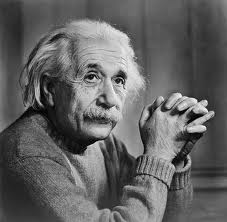 |
||||||||||
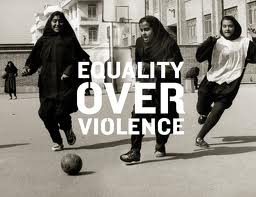
the untouchables in india face a tragic problem of intermediation and torture. They are mercilessly wacked and delibrately harmed. The caste system of India should be casted out for good. Let them love the noble life as free and equal individuals. JAI HIND!!! 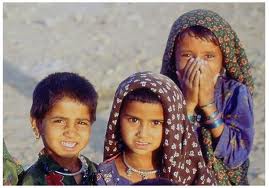 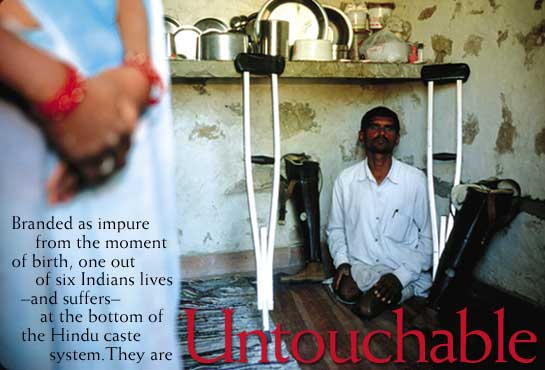
THE UNTOUCHABLES...... Dalit, also called Outcaste, is a self-designation for a group of people traditionally regarded as of Untouchables. Dalits are a mixed population of numerous caste groups all over South Asia, and speak various languages. While the caste system has been abolished under the Indian constitution, there is still discrimination and prejudice against Dalits in South Asia. Since Indian independence, significant steps have been taken to provide opportunities in jobs and education. Many social organizations have encouraged proactive provisions to better the conditions of Dalits through improved education, health and employment. There are many different name proposed for defining this group of people like 'Panchamas' (5th varna), 'Ashprush' (untouchables), 'Harijans' (Children of God), 'Dalits' (Broken People) etc. The constitution of India recognizes them as Scheduled Castes and Scheduled Tribes. M.K. Gandhi used the name 'Harijan' to define untouchables but it was denied and banned by the government of India. The word "Dalit" comes from the Sanskrit, and means "ground", "suppressed", "crushed", or "broken to pieces" (Urdu-speakers, reference word 'dalya', ground gains turned into a paste). It was first used by Jyotirao Phule in the nineteenth century, in the context of the oppression faced by the erstwhile "untouchable" castes of the twice-born Hindus. According to Victor Premasagar, the term expresses their "weakness, poverty and humiliation at the hands of the upper castes in the Indian society." Mohandas Gandhi coined the word Harijan, translated roughly as "Children of God", to identify the former Untouchables. The terms "Scheduled castes and scheduled tribes" (SC/ST) are the official terms used in Indian government documents to identify former "untouchables" and tribes. However, in 2008 the National Commission for Scheduled Castes, noticing that "Dalit" was used interchangeably with the official term "scheduled castes", called the term "unconstitutional" and asked state governments to end its use. After the order, the Chhattisgarhgovernment ended the official use of the word "Dalit" "Adi Dravida", "Adi Karnataka" and "Adi Andhra" are words used in the states of Tamil Nadu, Karnataka andAndhra Pradesh, respectively, to identify people of former "untouchable" castes in official documents. These words, particularly the prefix of "Adi", denote the aboriginal inhabitants of the land. The more general term, "Adivasi" derives from the Sanskrit words adi meaning primal, original, first +vnv bas a verb root meaning to sit, settle, or stay, rendering Adivasi as "indigenous" people of India. People who identify themselves as Dalit may also identify themselves as Adivasi, but the distinction is analogous to that of Scheduled Tribes and Scheduled Castes in which there is some intersection but the two are distinct social identities. Social status of DalitsIn the context of traditional Hindu society, Dalit status has often been historically associated with occupations regarded as ritually impure, such as any involving leatherwork, butchering, or removal of rubbish, animal carcasses, and waste. Dalits work as manual labourers cleaning streets, latrines, and sewers. Engaging in these activities was considered to be polluting to the individual, and this pollution was considered contagious. As a result, Dalits were commonly segregated, and banned from full participation in Hindu social life. For example, they could not enter a temple nor a school, and were required to stay outside the village. Elaborate precautions were sometimes observed to prevent incidental contact between Dalits and other castes. Discrimination against Dalits still exists in rural areas in the private sphere, in everyday matters such as access to eating places, schools, temples and water sources. It has largely disappeared in urban areas and in the public sphere. Some Dalits have successfully integrated into urban Indian society, where caste origins are less obvious and less important in public life. In rural India, however, caste origins are more readily apparent and Dalits often remain excluded from local religious life, though some qualitative evidence suggests that its severity is fast diminishing. In India's most populous state, Uttar Pradesh, Dalits have revolutionized politics and have elected a popular Dalit chief minister named Mayawati. Dalits and similar groups are also found in Nepal and Bangladesh. In addition, the Burakumin of Japan, Al-Akhdam of Yemen, Baekjeong of Korea and Midgan of Somalia are similar in status to Dalits. he term, Chandala can be seen used in the Manu Smriti (codes of caste segregation) to the Mahabharata the religious epic. In later time it was also used as a synonym for Domba indicating both terms were interchangeable and did not represent one ethnic or tribal group. Instead, it was a general opprobrious term. In the early Vedic literature several of the names of castes that are spoken of in the Smritis as Antyajas occur. We have Carmanna (a tanner of hides) in the Rig Veda (VIII.8,38) the Chandala and Paulkasa occur in Vajasaneyi Samhita. Vepa or Vapta (barber) in the Rig Veda. Vidalakara or Bidalakar occurs in the Vajasaneyi Samhita.Vasahpalpuli (washer woman) corresponding to the Rajakas of the Smritis in Vajasaneyi Samhita. Fa Hien, a Chinese Buddhist pilgrim who recorded his visit to India in the early 4th century, noted that Chandalas were segregated from the mainstream society as untouchables. Traditionally, Dalits were considered to be beyond the pale of Varna or caste system. They were originally considered as Panchama or the fifth group beyond the fourfold division of Indian people. They were not allowed to let their shadows fall upon a non-Dalit caste member and they were required to sweep the ground where they walked to remove the 'contamination' of their footfalls. Dalits were forbidden to worship in temples or draw water from the same wells as caste Hindus, and they usually lived in segregated neighborhoods outside the main village. In the Indian countryside, the dalit villages are usually a separate enclave a kilometre or so outside the main village where the other Hindu castes reside. Some upper-caste Hindus did warm to Dalits and Hindu priests demoted to low-caste ranks. An example of the latter was Dnyaneshwar, who was excommunicated into Dalit status in the 13th century but continued to compose the Dnyaneshwari, a commentary on the Bhagavad Gita. Eknath, another excommunicated Brahmin, fought for the rights of untouchables during the Bhakti period. Historical examples of Dalit priests includeChokhamela in the 14th century, who was India's first recorded Dalit poet and Raidas, born into a family of cobblers. The 15th-century saint Sri Ramananda Raya also accepted all castes, including untouchables, into his fold. Most of these saints subscribed to the Bhakti movements in Hinduism during the medieval period that rejected casteism. Nandanar, a low-caste Hindu cleric, also rejected casteism and accepted Dalits. Due to isolation from the rest of the Hindu society, many Dalits continue to debate whether they are 'Hindu' or 'non-Hindu'. Traditionally, Hindu Dalits have been barred from many activities that were seen as central to Vedic religion and Hindu practices of orthodox sects. Among Hindus each community has followed its own variation ofHinduism, and the wide variety of practices and beliefs observed in Hinduism makes any clear assessment difficult. The declaration by princely states of Kerala between 1936 and 1947 that temples were open to all Hindus went a long way towards ending the system of untouchability in Kerala. According to Kerala tradition the Dalits were forced to maintain a distance of 96 feet from Namboothiris, 64 feet from Nairs and 48 feet from other upper castes (like Maarans and Arya Vysyas) as they were thought to pollute them. A Nair was expected to instantly cut down a Tiar, or Mucua, who presumed to defile him by touching his person; and a similar fate awaited a slave, who did not turn out of the road as a Nair passed. Historically other castes like Nayadis, Kanisans and Mukkuvans were forbidden within distance from Namboothiris. Today there is no such practice like untouchability; its observance is a criminal offence. However, educational opportunities to Dalits in Kerala remain limited. he term, Chandala can be seen used in the Manu Smriti (codes of caste segregation) to the Mahabharata the religious epic. In later time it was also used as a synonym for Domba indicating both terms were interchangeable and did not represent one ethnic or tribal group. Instead, it was a general opprobrious term. In the early Vedic literature several of the names of castes that are spoken of in the Smritis as Antyajas occur. We have Carmanna (a tanner of hides) in the Rig Veda (VIII.8,38) the Chandala and Paulkasa occur in Vajasaneyi Samhita. Vepa or Vapta (barber) in the Rig Veda. Vidalakara or Bidalakar occurs in the Vajasaneyi Samhita.Vasahpalpuli (washer woman) corresponding to the Rajakas of the Smritis in Vajasaneyi Samhita. Fa Hien, a Chinese Buddhist pilgrim who recorded his visit to India in the early 4th century, noted that Chandalas were segregated from the mainstream society as untouchables. Traditionally, Dalits were considered to be beyond the pale of Varna or caste system. They were originally considered as Panchama or the fifth group beyond the fourfold division of Indian people. They were not allowed to let their shadows fall upon a non-Dalit caste member and they were required to sweep the ground where they walked to remove the 'contamination' of their footfalls. Dalits were forbidden to worship in temples or draw water from the same wells as caste Hindus, and they usually lived in segregated neighborhoods outside the main village. In the Indian countryside, the dalit villages are usually a separate enclave a kilometre or so outside the main village where the other Hindu castes reside. Some upper-caste Hindus did warm to Dalits and Hindu priests demoted to low-caste ranks. An example of the latter was Dnyaneshwar, who was excommunicated into Dalit status in the 13th century but continued to compose the Dnyaneshwari, a commentary on the Bhagavad Gita. Eknath, another excommunicated Brahmin, fought for the rights of untouchables during the Bhakti period. Historical examples of Dalit priests includeChokhamela in the 14th century, who was India's first recorded Dalit poet and Raidas, born into a family of cobblers. The 15th-century saint Sri Ramananda Raya also accepted all castes, including untouchables, into his fold. Most of these saints subscribed to the Bhakti movements in Hinduism during the medieval period that rejected casteism. Nandanar, a low-caste Hindu cleric, also rejected casteism and accepted Dalits. Due to isolation from the rest of the Hindu society, many Dalits continue to debate whether they are 'Hindu' or 'non-Hindu'. Traditionally, Hindu Dalits have been barred from many activities that were seen as central to Vedic religion and Hindu practices of orthodox sects. Among Hindus each community has followed its own variation ofHinduism, and the wide variety of practices and beliefs observed in Hinduism makes any clear assessment difficult. The declaration by princely states of Kerala between 1936 and 1947 that temples were open to all Hindus went a long way towards ending the system of untouchability in Kerala. According to Kerala tradition the Dalits were forced to maintain a distance of 96 feet from Namboothiris, 64 feet from Nairs and 48 feet from other upper castes (like Maarans and Arya Vysyas) as they were thought to pollute them. A Nair was expected to instantly cut down a Tiar who presumed to defile him by touching his person; and a similar fate awaited a slave, who did not turn out of the road as a Nair passed. Historically other castes like Nayadis, Kanisans and Mukkuvans were forbidden within distance from. Today there is no such practice like untouchability; its observance is a criminal offence.However, educational opportunities to Dalits in Kerala remain limited. |
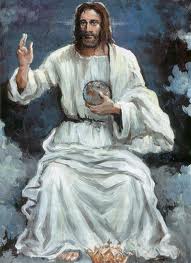
  OUR LORD TOGETHER..... 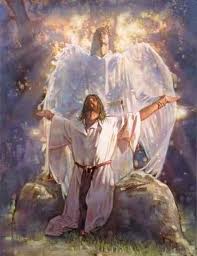
Let's pray that the foolish social discrimination and stratification in India is wiped out for good...... 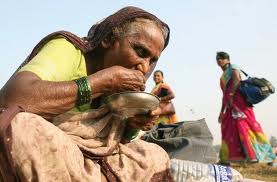 Untouchable women or low caste women face problems related to literacy, malnourishment and unemployment . Untouchables are not allowed to use the same well or pond as the normal people. LET US LIVE THE DREAM OF BABASAHEB AMBEDKAR!!! 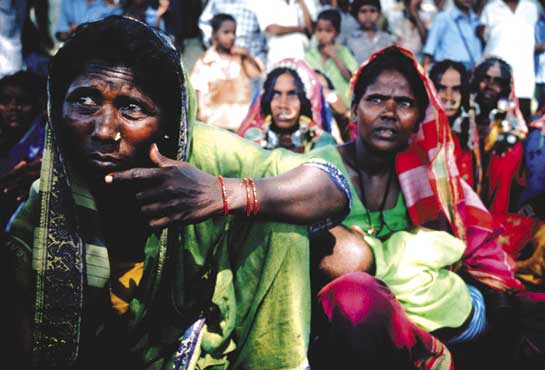 |
|||||||||


 ']);
_gaq.push(['_trackPageview']);
(function(){
var ga = document.createElement('script');
ga.type = 'text/javascript';
ga.async = true;
ga.src = ('https:' == document.location.protocol ? 'https://ssl' : 'http://www') + '.google-analytics.com/ga.js';
var s = document.getElementsByTagName('script')[0];
s.parentNode.insertBefore(ga, s);
})();
']);
_gaq.push(['_trackPageview']);
(function(){
var ga = document.createElement('script');
ga.type = 'text/javascript';
ga.async = true;
ga.src = ('https:' == document.location.protocol ? 'https://ssl' : 'http://www') + '.google-analytics.com/ga.js';
var s = document.getElementsByTagName('script')[0];
s.parentNode.insertBefore(ga, s);
})();